When homeowners in towns like West Hartford, Avon, or Glastonbury want to increase their property value and upgrade their outdoor living space, they often think about landscaping plants or a new deck. But if you want to make a permanent, structural impact that lasts for decades, custom masonry is the ultimate investment.
Unlike wood or composite materials that eventually rot, fade, or require heavy pressure-washing and staining every spring, natural stone and brick masonry endure the harsh New England freeze-and-thaw cycles beautifully.
Whether it is replacing an old, cracked concrete front walkway or building a stone outdoor kitchen, professional stonework grounds your property with a classic, timeless architectural look. Here is how custom masonry can transform your Greater Hartford home.
1. Natural Stone vs. Pavers: Choosing the Right Material
The first decision for any masonry project is selecting the material that matches both your home’s architectural style and your budget.
-
Connecticut Fieldstone: For a classic, historic New England look, nothing beats native fieldstone. It features earthy grays, tans, and browns that look completely organic, making it perfect for retaining walls, home foundations, and rustic outdoor fireplaces.
-
Thermal Bluestone: If you are building a clean, elegant patio or front walkway, thermal bluestone is highly sought after. It is cut into precise, flat architectural shapes and torched (thermal finished) to give it a smooth yet non-slip texture that is safe for winter footing.
-
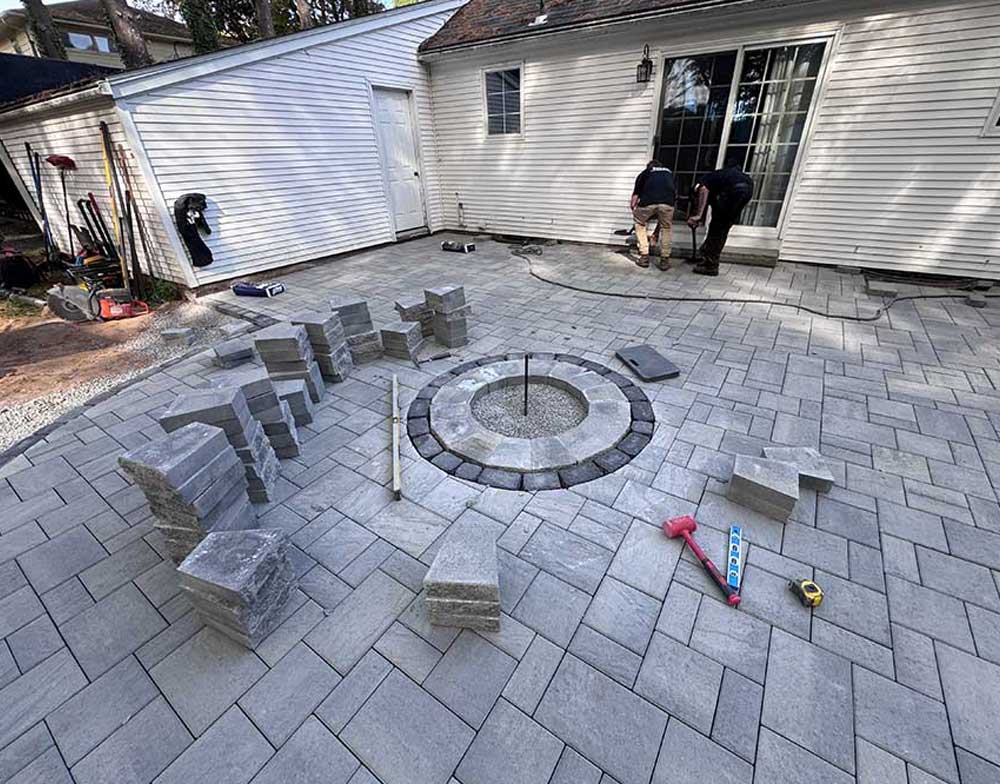
Interlocking Concrete Pavers: For a highly durable driveway or modern patio, engineered pavers offer incredible structural strength. They come in a massive variety of colors and textures, often mimicking old-world cobblestone or slate at a lower price point.
2. The Structural Reality: Surviving the New England Frost Line
The biggest threat to any masonry structure in Hartford County isn’t heavy foot traffic or summer heat—it’s frost heave. When water gets trapped underneath a stone patio or walkway and freezes during a bitter January cold snap, the expanding ice exerts incredible upward pressure. If the foundation isn’t built correctly, your beautiful stonework will shift, crack, and become uneven by spring.
Professional masonry requires a strict build process to ensure structural longevity:
- Excavate below the topsoil
- Lay a crushed stone aggregate base
- Establish a proper drainage plane
- Set and lock the masonry joints
🧱 The Dry-Stack Advantage: For retaining walls and garden borders, “dry-stack” masonry (building without mortar or cement) is highly recommended for New England. Because the stones are carefully fitted together without rigid cement joints, the wall can naturally flex and breathe with the changing winter soil movements without ever cracking or breaking apart.
Elevate Your Property’s Identity
Custom stonework acts as the permanent framework for your landscape. By replacing cracked concrete and sagging wood structures with premium natural stone or engineered pavers, you create a striking, low-maintenance hardscape that instantly elevates your home’s curb appeal and withstands the elements for generations.