
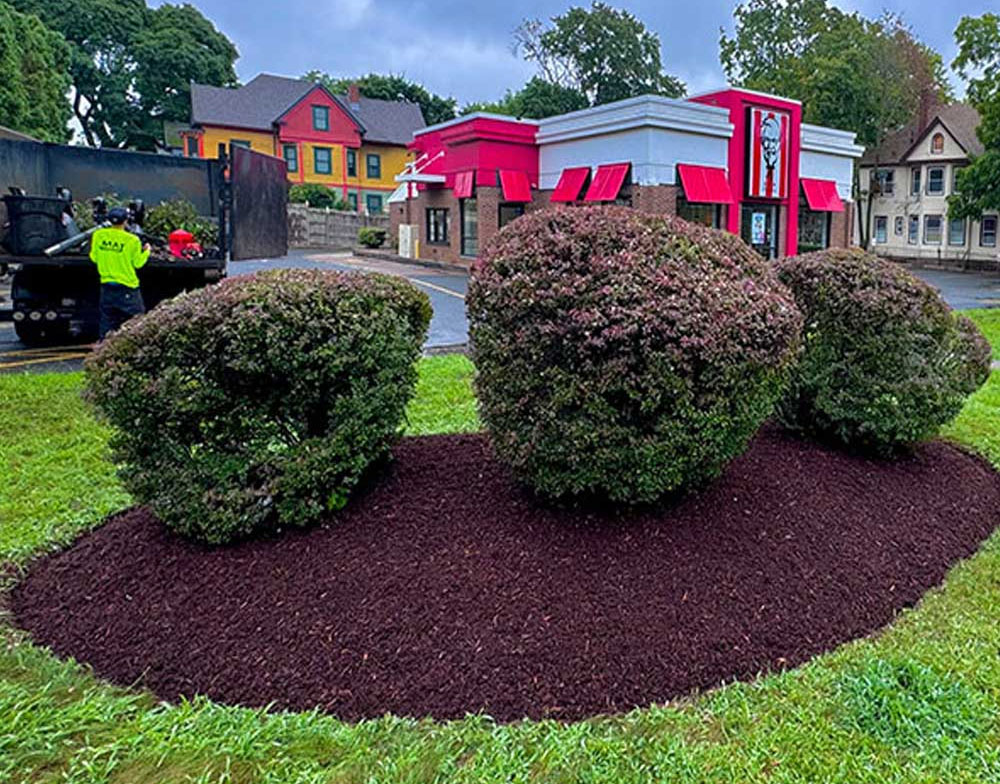
For property managers, HOA boards, and business owners across Greater Hartford, the late autumn months are a race against the clock. As budgets tighten toward the end of the fiscal year, it is incredibly tempting to try to squeeze out extra savings by skipping or delaying final property cleanups. After all, the leaves will eventually blow away, and the snow will cover the rest—right?
Unfortunately, in the commercial real estate world, “out of sight, out of mind” is a costly financial trap.
Deferring fall landscaping maintenance doesn’t actually save money; it simply rolls those expenses over into the next fiscal year, often inflating them into massive structural and turf repair bills by spring. Here is a look at the hidden financial liabilities of skipping late-season cleanups and how preventative care protects your bottom line.
1. The Mold Trap: How Leaves Kill Commercial Turf
Leaving a thick, heavy carpet of maple and oak leaves on your commercial turf over the winter creates a perfect storm underneath the snow line. Leaves mat down, trapping moisture against the dormant grass crowns and blocking out oxygen.
-
The Winter Liability: This dark, soggy environment is prime breeding ground for Pink and Gray Snow Mold—fungal diseases that thrive in New England temperatures.
-
The Spring Cost: When the snow melts in April, property managers are frequently left with massive dead, slimy patches across highly visible entryways and common zones. Instead of a routine spring green-up, your budget is suddenly hit with unexpected fees for mechanical dethatching, commercial aeration, topdressing, and widespread re-seeding.
2. Pruning for Structural Safety: Mitigating Ice Storm Liability
Healthy trees and ornamental shrubs are major assets to any Greater Hartford office park or retail center. However, unmaintained canopies are an immediate liability when Connecticut’s winter weather hits.
-
The Risk: Dead, diseased, or structurally weak branches act like sponges during heavy, wet snowfalls and freezing ice storms along the I-95 and I-84 corridors. The added weight easily snaps these limbs.
-
The Cost: A falling limb doesn’t just mean a mess to clean up. It means potential roof damage, blocked fire lanes, crushed customer vehicles, or worse—pedestrian injuries on your walkways. Proactive fall pruning removes these hazard branches safely before the ice loads them, protecting your business from costly insurance claims and emergency tree removal premiums.
3. Bed Management: Prepping for a Competitive Leasing Season
The visual appeal of your commercial flower beds and walkways sets an immediate tone for tenants, clients, and prospective buyers. If beds are ignored in the fall, they become an eyesore that lingers well into the following year.
📈 The Bottom Line: Data across the commercial property management industry consistently shows that every dollar deferred on routine fall maintenance results in roughly three to four dollars in corrective landscape costs the following spring.
Protect Your Property’s Value
A well-maintained commercial landscape keeps your property safe, accessible, and attractive to high-quality tenants. By partnering with a commercial landscape team for a comprehensive fall cleanup, you eliminate unpredictable spring liabilities and keep your annual operating budget highly predictable.